
That tiny little spot you keep ignoring might be more than it seems.
In the vibrant and often image-focused world of Miami, where appearance and aesthetic perfection are highly valued, it’s easy to overlook small details on our skin.
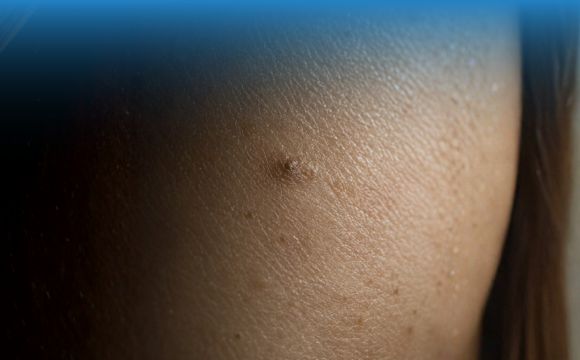
A tiny “spot” that suddenly appears.
A slight change in texture.
A small bump that seems harmless.
Most people dismiss it.
They think:
“It’ll go away on its own.”
“It’s nothing serious.”
“It’s just part of my skin.”
But what if that tiny “spot” was actually the beginning of something bigger?
Something capable of spreading silently and becoming a much larger aesthetic and wellness concern over time.
At Nova Clinic Care, we understand that your skin health reflects your overall wellness, and that misinformation often leads people to ignore issues that are actually preventable and treatable.
This article takes a deeper look into the world of warts — one of the most common and misunderstood skin conditions.
We’ll uncover the truth behind:
✔ why they appear
✔ how they spread
✔ and most importantly, how you can protect your skin and treat them safely and effectively.

THE HUMAN PAPILLOMAVIRUS (HPV) AND THE SILENT BATTLE ON YOUR SKIN
To understand warts, we first need to understand what causes them:
the Human Papillomavirus (HPV).
HPV is a group of more than 100 different viruses, some of which are responsible for common skin warts.
It’s incredibly common. In fact, most people will be exposed to some type of HPV at some point in their lives.
The key to understanding the “silent spread” lies in how this virus interacts with our body and our environment.
WHAT ARE WARTS AND HOW DO THEY FORM?
Warts are benign skin growths caused by HPV infecting skin cells.
When the virus enters the outer layer of the skin — usually through tiny cuts or abrasions — it stimulates rapid skin cell growth, creating the wart.
Their appearance varies depending on the type of HPV involved and the area of the body affected.
Common Warts (Verruca Vulgaris)
Usually found on the hands, fingers, and around the nails.
They tend to feel rough, raised, and grayish or brownish in color.
Plantar Warts
Located on the soles of the feet.
Often flat due to walking pressure and can become painful.
They may contain tiny black dots, which are actually clotted blood vessels.
Flat Warts (Verruca Plana)
Small, smooth, and flesh-colored or slightly yellow.
Common on the face, arms, and legs, especially in children and teenagers.
Filiform Warts
Long, thin, finger-like growths.
Often appear around the eyes, mouth, and nose.
Genital Warts
Caused by specific types of HPV transmitted sexually.
These require a completely different medical approach and deserve special attention because of their association with certain cancers.
THE “SILENT SPREAD”: HOW THEY CONTINUE TO MULTIPLY
This is where the real concern begins.
HPV is highly contagious and can spread through:
✔ direct skin-to-skin contact
✔ or indirect contact with contaminated surfaces.
The reason it’s called “silent spread” is because people often transmit or contract the virus without realizing it.
The incubation period can last:
weeks, months, or even years before a visible wart appears.
That means:
you could unknowingly spread it to yourself or others.
MAIN WAYS WARTS SPREAD
Direct Contact
A simple handshake, touching someone else’s wart, or even touching your own wart and then another area of your body can spread the virus.
Contaminated Surfaces
HPV survives well in warm, moist environments.
Places like:
✔ public showers
✔ locker rooms
✔ swimming pools
✔ gyms
✔ shared towels
can become common transmission areas.
Tiny Skin Injuries
The virus takes advantage of even the smallest cuts or scratches to enter the skin barrier.
This explains why warts are common in:
✔ children
✔ people who bite their nails
✔ frequent shaving areas
✔ irritated skin zones.
Weakened Immune System
People with weakened immune systems are more likely to develop warts and experience faster spreading or more difficult treatment outcomes.
WHY YOU SHOULDN’T IGNORE WARTS
Ignoring a wart — even a small one — can lead to several problems:
Aesthetic Concerns
Warts can affect visible areas like the face or hands, impacting confidence and self-esteem.
Pain and Discomfort
Plantar warts, especially, can become painful while walking or standing.
Spreading to Others
You may unknowingly spread the virus to family members or loved ones.
Multiplication
One wart can quickly turn into several, making treatment more difficult over time.
Confusion With Other Skin Conditions
Some skin lesions may resemble warts but require completely different medical attention.
That’s why professional evaluation matters.

THE BENEFITS OF PROFESSIONAL WART REMOVAL
The good news:
warts are treatable.
And early treatment makes a huge difference.
At Nova Clinic Care, we focus on safe, effective, and personalized wart removal solutions designed to restore your skin health and confidence.
BENEFITS OF PROFESSIONAL TREATMENT
Safe and Effective Removal
Advanced techniques designed to minimize scarring and optimize results.
Prevention of Further Spread
Removing the wart helps stop the self-spreading cycle and reduces transmission risk.
Relief From Pain and Irritation
Especially important for plantar warts or friction areas.
Improved Appearance and Confidence
Clearer skin helps you feel more comfortable and confident.
Accurate Diagnosis
A specialist can confirm whether the lesion is truly a wart or something else entirely.
Personalized Guidance
You’ll receive advice on:
✔ prevention
✔ skin care
✔ strengthening your skin barrier
✔ reducing recurrence risks.
Peace of Mind
No more worrying about silent spreading or infecting loved ones.
At Nova Clinic Care, we don’t just remove warts.
We help restore healthy, beautiful-looking skin.
 English
  Spanish